
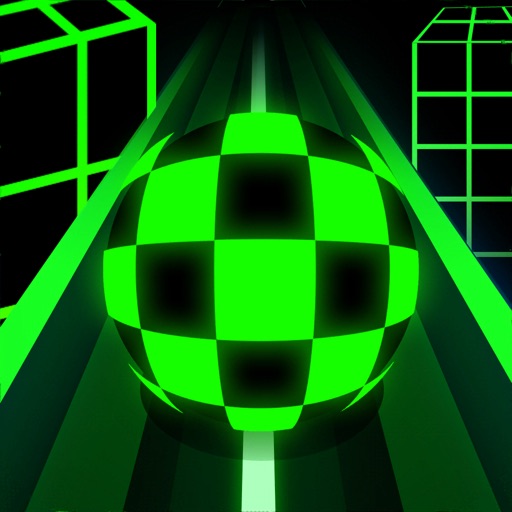
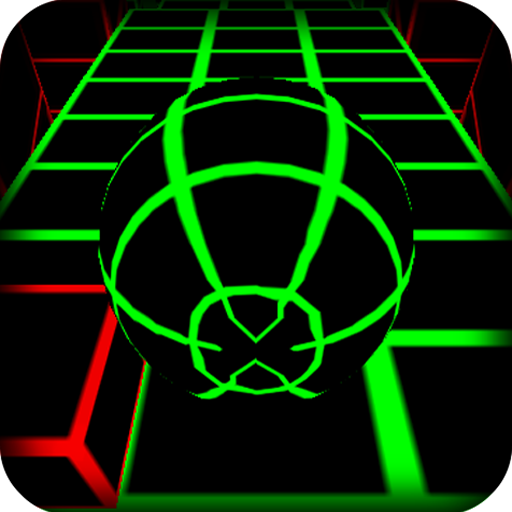
Ask anyone why they keep a slope game online open in a spare tab and you'll hear the same thing: "just one more run." A ball, a steep neon track, a few red blocks. That's all it takes. But the pull of a game like this is worth a closer look, because the same habits of attention show up everywhere we spend time on a screen, whether it's a puzzle app or an online casino such as gamblerina that people visit for a bit of downtime. Let's start with the ball.
A run rarely lasts more than a couple of minutes, but there's a surprising amount going on in them. You're tracking the track edge, guessing where the next block will land, and nudging the ball left or right, all while the speed creeps up. Miss one of those three jobs and you're falling into the dark.
What makes a slope free online game so easy to slip into is how little it explains. There's no story to follow and no menu to dig through. You crash, you see exactly why, and you're back on the track in about a second. Most games make you sit through something between attempts. This one doesn't.
Instant restarts turn every crash into a small experiment instead of a punishment.
Once you start paying attention to what your hands and eyes are doing, the game breaks down into a few separate skills. Here's how they line up with what actually happens on screen.
| Skill | What it looks like | Where you notice it |
|---|---|---|
| Reaction time | Swerving around a block you spotted late | Once the ball is really moving |
| Looking ahead | Eyes on the far end of the track | Sharp turns and thin bridges |
| Light touch | Quick taps instead of long presses | Drops with narrow landing spots |
| Staying level | Not tensing up after a crash | Every single restart |
Beginners watch the ball. It feels natural, since that's the thing you control. The trouble is that by the time a block is close enough to the ball to worry you, your thumbs have no time left to react. Better players look well beyond it, at the stretch of track that hasn't arrived yet. If you only change one thing when you play online slope game sessions, change where your eyes rest.
The center of the track gives you room to move both ways. Hug the edge and you've got one escape route, which the game will happily cut off. It sounds obvious, yet it's the habit people forget first when things speed up.
Holding an arrow key sends the ball sliding a lot farther than you meant. Short taps do the job. Give it a few sessions and it starts to feel like steering with your fingertips instead of shoving.
A few reminders worth keeping in your head while you play:
There's no signup, no install and no cost. You open a page, hit a key, and you're playing. That's great for a quick break, and it's also the reason a five-minute plan quietly becomes forty. Slope game play online has almost no friction at the start or between runs, so nothing ever nudges you to stop.
Runners are built around that loop on purpose. A crash feels close enough to a win that you want another go, and the next go is right there. I don't think that makes the games bad, only worth understanding. Once you see the pattern, it's much easier to be the one deciding when you're done.
The real skill isn't beating the track. It's noticing the moment you stopped enjoying it.
Nobody gets excited about routines, but a loose one keeps a good game good. Short sessions leave you sharp, while long ones leave you with sore eyes and a strangely bad mood. Here's a rough comparison of the four ways most people end up playing.
| Style | Time | Works well for |
|---|---|---|
| Coffee break | 5–10 minutes | Clearing your head between tasks |
| Focused practice | 15–20 minutes | Fixing one habit, like turning earlier |
| Evening unwind | 20–30 minutes | Playing loosely, no score chasing |
| Long stretch | An hour or more | Not much, honestly |
Small things help more than you'd expect. Put a timer on before the first run. Keep your wrists loose. And if you notice you're gripping the keyboard, or the ball keeps drifting where you didn't send it, that's your cue to close the tab. Tired players don't set records.
The nice thing about practicing attention on something this simple is that it carries over. Spotting patterns, keeping your cool and walking away at the right moment are useful in racing games, puzzle apps and pretty much any other online pastime. Plenty of players say a quick online slope game is where they first noticed how their own focus rises and fades.
Wherever you end up playing, a few ground rules make it more pleasant:
Slope looks like a toy, but it teaches something real: attention is a skill you can practice, and a few honest minutes beat a long, tired hour. Choose your session length, watch the track ahead, and enjoy the speed. Then pay attention to how you feel afterward. That feeling will tell you when it's time to log off, and there's no shame in ending on a good run.